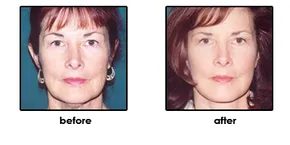
Time doesn’t care about your budget. It just takes what it wants.
But if you have the cash and the drive, you can push back. Just not entirely. Cosmetic surgery offers a way to reverse at least some of the visible damage. And people are willing to pay a premium for a fresher look.
In 2004, more than 150,000 people in the United States underwent a facelift, according to The American Society for Aesthetic Plastic Surgery. That number alone suggests a deep cultural hunger for the illusion of staying young.
We are going to break down how plastic surgeons deliver that promise. We will look at the mechanics of the procedure. We will examine how dramatic the results can actually be. And we will not shy away from the risks involved.
But before we talk about scalpels and sutures, we need to understand the enemy. You cannot fight a war against aging if you do not understand how the skin on your face ages in the first place.
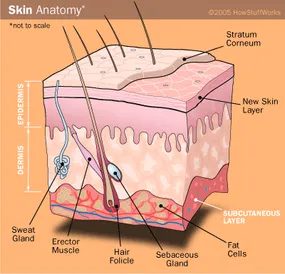
As we age, the structural integrity of our face shifts. It isn’t just surface-level. The dermis thins. Cell turnover slows down. Beneath the surface, the collagen and elastin fibers that once kept things tight begin to fragment. Gravity takes over. Skin that used to snap back now drapes.
A facelift addresses this deep structural sagging. It tightens the underlying muscles and removes excess skin. But it has limits.
It won’t fix drooping eyelids. It won’t lift a heavy brow. And it does nothing for sun spots or texture issues. Those require separate interventions. You might need a blepharoplasty for the eyes. A brow lift for the forehead. A chemical peel for the surface tone.
If you are considering a facelift procedure, you need to understand what actually happens under the hood. This is not a magic eraser. It is a surgical restructuring.
The Anatomy of the Lift
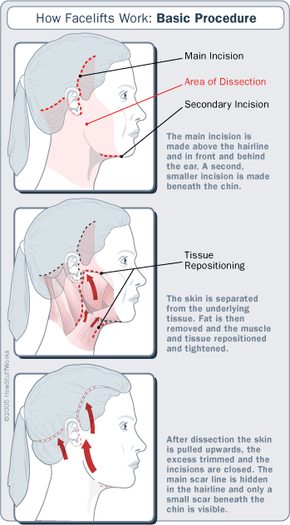
When you undergo a facelift procedure, the goal is to reposition the deeper tissues. Surgeons work beneath the skin layer. They access the SMAS layer (superficial musculoaponeurotic system). This is the supportive framework of your face.
By tightening this layer, the face lifts. The jowls recede. The jawline sharpens. The skin above is then trimmed and pulled back.
A facelift repositions deep tissues, but it cannot correct eyelid sagging or skin discoloration.
What Doesn’t Get Fixed
Many patients expect a facelift to solve every aging sign. That is a mistake. The procedure focuses on the lower two-thirds of the face. It targets:
- Sagging cheeks
- Deep nasolabial folds
- Loose skin along the jawline
- Neck laxity
It does not address the upper face. If your eyebrows sit low, a brow lift is necessary. If your upper eyelids hood over your vision, a blepharoplasty is the right move. If your skin has significant sun damage, a chemical peel or laser treatment will yield better results than a scalpel.
Combining these procedures is common. A full rejuvenation often requires a multi-plan approach. You cannot fix a cracked foundation with a fresh coat of paint.
The surgery itself involves incisions hidden in the hairline and around the ears. The skin is stretched. Excess tissue is removed. The incisions are closed with precision.
Recovery follows. Swelling. Bruising. Numbness. It takes time for the final shape to emerge. But the structural change is immediate.
You are left with a tighter face. Not a different person. Just the same person, supported better.
Tailoring the Procedure to Your Face
A facelift isn’t a one-size-fits-all fix. Because every face has a distinct shape and contour, the surgical approach shifts for each patient. Before you lie down, your doctor will evaluate your skin consistency and walk you through the specifics.
Lifestyle adjustments matter here. If you smoke, you’ll be asked to quit at least a week or two before the surgery and stay off cigarettes for a couple of weeks after. Smoking restricts blood flow to the skin. That restriction interferes with healing. It can cost you a better result. Patients are also told to avoid aspirin and other blood-thinning medications. Bleeding control is part of the prep.
Anesthesia and Incision Paths
The procedure usually happens in a plastic surgeon’s office or a hospital setting. Most patients receive local anesthesia paired with a sedative. You are awake but unable to feel the procedure. Some doctors prefer general anesthesia, which puts you to sleep entirely.
During a traditional facelift, the incision paths are strategic. The doctor typically starts around the hairline at the temple. The cut curves around the earlobe. It ends at the bottom of the hairline. This hides the scar in natural folds. Sometimes, a small incision under the chin is added. This targets the neck skin directly, tightening it specifically.
Lifting the SMAS Layer
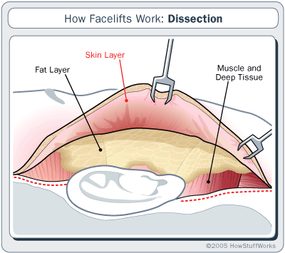
The surgery begins by separating the skin from the fat and muscle underneath. This creates the space needed to adjust what lies beneath.
The real work happens beneath the surface, where tissue layers are manipulated to lift and redefine facial structure.
To achieve a sleeker look, the surgeon may remove excess fat. This can be done via liposuction or by trimming. The critical step involves the SMAS (superficial musculoaponeurotic system). This is a layer of tissue just under the skin. The doctor tightens this layer by folding it. They pull it back over itself.
This maneuver changes everything. Tightening the SMAS lifts the cheeks. It gives the jawline more definition. It firms the neck. The skin follows, but the support comes from below.
The Final Steps of the Procedure
The surgeon lifts the skin flap back into place. If there’s extra material hanging around, they trim it off. Think of it like tightening a rug. You pull it taut and cut away the loose bits. The incision closes with stitches, sutures, or tissue glue. You won’t see the marks. Most surgeons place them inside the hairline. Hair covers the scars completely.
The timeline varies. Some people are under for two hours. Others stay in the chair for four. It depends on how much work happens under the hood. Muscle repair takes time. Tissue manipulation takes time. If you’re combining procedures, expect the clock to run longer.
Breakdown of Facelift Costs
Money is usually the first worry. The surgeon’s fee alone runs about $5,000. The total bill? Expect to pay between $6,000 and $12,000. That’s a steep price tag. Insurance companies rarely help. They classify this as cosmetic. It’s not medically necessary.
But the longevity is real. Results stick around for 10 to 15 years. That’s a long time to look refreshed. Compare that to non-surgical options. Botox or fillers cost about a third of the surgical price. But they fade. You have to keep paying and keep going back. Surgery is the upfront investment.
Exploring Other Facelift Techniques
Not every lift is created equal. The traditional method is just one way to turn back the clock.
Traditional facelifts aren’t the only game in town anymore. Plastic surgeons have expanded their toolkit to include techniques that offer a refreshed look with less downtime and fewer scars. If you are weighing your options for facial rejuvenation, understanding the nuances of these alternative procedures matters.
What Is a Weekend Facelift?
The term mini-lift refers to less-invasive surgical procedures. The goal is to tighten facial features using smaller incisions and targeting a more limited area than a full facelift. You might hear this called a “weekend facelift.” The name comes from the recovery timeline: many patients schedule the surgery on a Friday and are back at their desks by Monday.
This procedure is best suited for improving jowls and loose neck skin. It won’t deliver the dramatic overhaul of a traditional facelift, but it is effective for early signs of aging.
Here is how the process typically unfolds:
- The surgeon numbs the lower part of your face with anesthesia.
- The procedure takes about one to two hours.
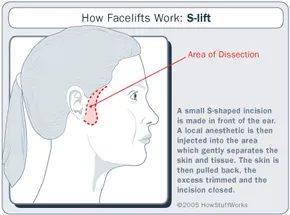
- An S-shaped incision is made starting at the sideburn, curving around the ear, and extending toward the bottom of the hairline.
- The surgeon tightens the connective tissue beneath the skin.
- Excess skin is removed.
- The incision is closed using small sutures.
How Does the S-Lift Differ?
The S-lift is another option for those looking to avoid a full lift. This technique focuses specifically on the lower third of the face. It smooths out the neck and addresses jowls without touching the upper face.
The process begins with a local anesthetic injected near the ear. The surgeon then makes an S-shaped incision, similar to the mini-lift, but the scope is narrower. The skin is separated from the underlying tissue. When the skin is lifted, the muscles and tissues below are tightened to create a smoother contour.
Because the S-lift works on a smaller area, the incision is smaller. This means the surgery takes less time than a traditional facelift. Recovery is also shorter. You can expect to heal faster than with more invasive options.
Comparing Recovery and Results
Both procedures share the S-shaped incision pattern. This design helps hide scars within the natural contours of the ear and hairline. However, the extent of tissue manipulation differs.
The mini-lift targets the lower face and neck broadly. It is a good middle ground for those who want more than a non-surgical treatment but are not ready for a major surgery. The S-lift is more targeted. It addresses sagging in the jawline and neck with precision.
Which option fits your needs depends on the severity of sagging. If your skin is loose but not severely descended, either could work. If you have significant jowling, a full facelift might still be the better choice. But for moderate aging signs, these techniques offer a compelling alternative.
The results are subtle. They look like you, just rested. Not sculpted. Not overly tight. Just a natural improvement.
“Recovery time is shorter, and the incisions are designed to be less visible.”
Who Is a Candidate?
You might be a good candidate if
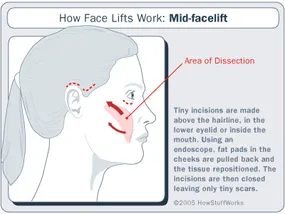
The mid-facelift isn’t just a general tightening job. It targets the mid-face specifically. Surgeons make small incisions hidden in the hairline near the ear and sometimes inside the mouth. They lift the fat pads in your cheeks up and over the cheekbones. This pulls the skin tight. Most doctors use an endoscope for this. It’s a tiny camera that gives them a clear view of the surgical area without big blind cuts.
Then there’s the tissue-glue facelift technique. This isn’t a new type of lift. It’s about how the incision is closed. Instead of traditional sutures, the surgeon applies surgical glue, often Fibrin Sealant, along the cut line. The glue acts as a vasoconstrictor. It closes blood vessels to stop bleeding and seals the wound. Reports suggest this speeds up recovery and cuts down on bruising. Your body eventually breaks down and eliminates the sealant on its own.
Some procedures focus on just one spot. An eyelift strips away excess fat and loose skin to fix droopy lids. A browlift releases forehead tissues and removes muscle tension to raise eyebrows and smooth frown lines.
Who Actually Qualifies for a Facelift?
Identifying the right candidate matters more than you think. The best people for this are those with some wrinkling and sagging, but who still have decent skin elasticity. If your skin is too loose or damaged, a lift might not give the results you want. Age 40s, 50s, and 60s are prime years for this. But it’s not off the table for people in their 80s either.
Health is the real gatekeeper. You need to be at a normal weight and generally healthy. Certain conditions raise red flags. If you have blood clotting issues, uncontrolled high blood pressure, or a tendency to form large scars, you need to talk to your primary care doctor first. Don’t just book the consultation without clearing these hurdles.
The Real Risks Involved
Surgery is surgery. There are inherent dangers. Beyond the usual suspects like infection or reaction to anesthesia, there are specific risks to watch for.
- Hematoma : Blood collecting under the skin. A doctor has to drain this.
- Nerve Damage : Usually temporary, but possible.
- Necrosis : Tissue death.
- Alopecia : Hair loss right at the incision site.
- Scarring : Always a possibility.
Here is the hard truth. People can die during a facelift. Some estimates place the mortality rate at one death per 1,000 procedures. It’s low, but it’s not zero.
After the knife work is done, recovery begins. The surgeon might put a drain tube under the skin behind your ear. This pulls out pooled blood. You’ll have it for a day or two. Your head gets wrapped in loose bandages to stop swelling. These come off in a few days. Stitches usually come out within a week.
Bruising and swelling are normal. They fade over a few weeks. You might feel some numbness in your skin. That also goes away. Pain is usually minimal. Over-the-counter meds like Tylenol handle most of it. Your doctor might tell you to keep your head elevated and stay still for a few days. Avoid strenuous activity for weeks. Stay out of the sun. UV damage can mess with your healing skin.
Results are dramatic. They look good. But they aren’t permanent. Time wins eventually. Wrinkles return. Saggy spots reappear. Some people go back in for a second or third lift. Why stop?
Non-Surgical Alternatives
You don’t always need a scalpel to turn back the clock. Some newer procedures can mimic the tightening effects of a facelift, but they skip the heavy downtime, the steep price tag, and the inherent risks of open surgery. It’s a different approach to aging, one that relies on technology rather than trauma.
These non-invasive techniques promise to rejuvenate and tighten skin without cutting. The cost is significantly lower than a traditional lift, and the risk profile is much safer. For many women, that trade-off is worth it.
How Thermage Works to Lift and Tighten
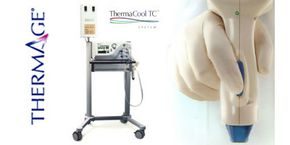
One of the most well-known options in this space is Thermage (also known as ThermaCool). The Food & Drug Administration (FDA) cleared it back in 2002, giving it a long track record of safety and efficacy.
Unlike surgery, Thermage uses radio frequency energy. The device sends heat deep into the skin’s layers. That heat does one specific thing: it triggers your body’s natural collagen production. Collagen is what keeps skin firm and plump. When it contracts and rebuilds, the skin tightens.
It’s not a quick fix for deep sagging, though. The procedure is best suited for younger candidates. If you’re in your 30s, 40s, or 50s and dealing with slight wrinkles or early laxity, this might be a good fit.
The process itself is straightforward. First, your skin is numbed with a thick cream so you don’t feel the heat. Then, the practitioner glides the handpiece over your face. It feels warm, sometimes intense, but generally tolerable.
Is It Worth the $2,000 Price Tag?
Cost is always a factor. A Thermage session typically runs around $2,000. That’s a lot of money for no blood, no stitches, and no operating room fees.
So, what do you get for that cash?
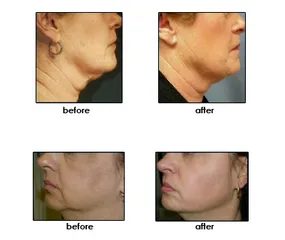
The results aren’t permanent. They can last anywhere from six months to two years. This isn’t a “one and done” procedure. You might need maintenance sessions to keep that tightened look.
Think of it this way: are you paying for a subtle lift or just preventing further drooping? Most people see improvement within a few months as collagen rebuilds. The full effect takes time.
“Thermage activates the skin’s natural collagen, making the skin contract and tighten.”
It’s a gradual process. You won’t wake up looking ten years younger. But over time, the skin looks firmer. The fine lines soften.
For women who aren’t ready for surgery, or who just want to delay it, this is a practical middle ground. It’s less aggressive. It’s less scary. And for many, it’s enough.
The question isn’t really whether it works. It’s whether the incremental benefit justifies the recurring cost. For some, yes. For others, it’s just another step in a longer journey.
Threadlifts and non-surgical alternatives
If you are looking for something less invasive than a full surgical facelift, thread lifts like the ThreadLift or FeatherLift might catch your eye. The concept is straightforward: a doctor numbs the area, inserts a needle with a special surgical thread, and then pulls that thread tight. Think of it like sewing a loose piece of fabric back into shape. The muscle and tissue tighten along with it.
The whole process takes about 30 minutes. There are no scars. You just apply ice afterward to keep swelling down. The threads stay in your body. As for the cost, expect to pay around $400 per thread. Most people need between two and eight threads to see the effect. It’s a quick fix for drooping skin without the recovery time of major surgery.
Botox and dermal fillers for fine lines
Botox is everywhere for a reason. It has become a staple in facial rejuvenation because it works differently than threads. Instead of lifting, it paralyzes the underlying muscles. You inject it under the skin, and it stops those muscles from moving. This smooths out fine wrinkles instantly. Many people use it to enhance other procedures, like skin resurfacing or filler injections.
Then there are dermal filling agents. These are materials injected under the skin to hide scars, fill fine lines, and reduce wrinkles. They don’t last forever. You’re looking at several months of results before you need a touch-up.
In the US, collagen purified from cows is still the most common implant. But human-derived collagen and synthetic materials are gaining ground. Why? They often cause fewer allergic reactions. And they last just as long.
“Small amounts of tissue removed during an abdominoplasty (‘tummy tuck’) can be used to add volume to the lips or fill in sunken areas below the eyes.”
You can even use your own body against itself in a good way. Some procedures allow surgeons to remove your own fat and subcutaneous tissue. They then inject that fat into other areas. A tummy tuck, for example, can provide material to plump up lips or fill hollows under your eyes during a separate facelift. It’s efficient. It uses what you already have.
Laser treatments and individual results
Lasers are not new to plastic surgery, but their application is expanding. Intense pulsed laser treatments are excellent for varicose veins, redness, or sun-damaged skin. Often, these treatments are paired with radio frequency energy for better results.
The outcome depends heavily on your body’s healing response. This means results are highly individual. One person might see dramatic changes in one session. Another might need multiple treatments to get the look they want. It’s not a one-and-done solution for everyone.
If you want to dig deeper into how these procedures stack up or what goes wrong when they go wrong, the resources below are a good start. The medical community is constantly refining these techniques. What works today might be outdated in five years.
Where to go from here
For more on the procedures themselves, check out links about Botox, liposuction, and microdermabrasion. If you are curious about the financial side or the safety profiles, the American Society for Aesthetic Plastic Surgery and the American Society of Plastic Surgeons have detailed public education sections.
The data from 2004 showed over 11 million cosmetic procedures performed. That number has likely shifted since then. But the trend is clear: people want results with less downtime. Whether it’s a thread lift or a laser session, the goal is always the same. Look better without looking like you had work done.
Thanks to Scott Bernstein, MD for helping clarify some of the technical details in this segment.