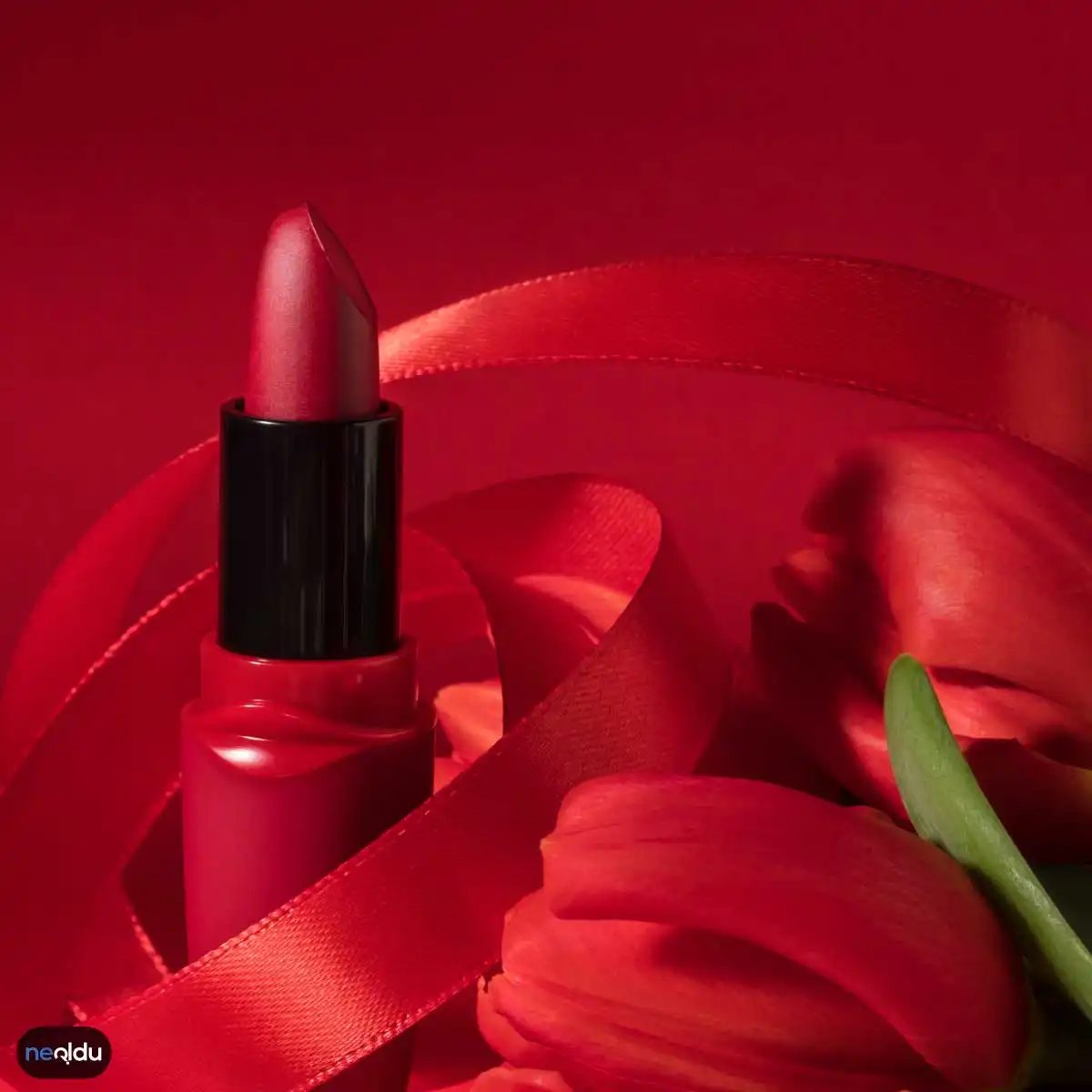
Lipstick isn’t just makeup. It is armor. It is a flag. It is the one item in a modern woman’s bag that never leaves her side, even when the rest of her kit gets tossed aside. But before you swipe on your favorite shade, consider this: the history of lip color is darker, weirder, and far more dangerous than you probably think.
We assume lipstick has always been about beauty. It wasn’t. For most of human history, it was about survival, status, and sometimes, poison. The red pigment on your lips today has a lineage that stretches back to ancient Mesopotamia and crosses paths with royalty who were literally dying for the look.
The Origin of Red Lips
The story starts in ancient Mesopotamia. Women there crushed gemstones like lapis lazuli into powder and mixed it with their skin’s natural oils to create colored pastes for their faces and lips. It was expensive. It was rare. It screamed power.
Across the world, in Ancient Egypt, both men and women wore lip color. They didn’t just use plants. They used insect-derived reds and oranges. Cleopatra? She reportedly favored a deep red made from crushed scarab beetles and their eggs. Yes, beetle eggs. The color came from carmine, a pigment still used in cosmetics today, but sourced from cochineal insects back then. It wasn’t just aesthetic. It was a display of wealth and divine connection.
The Dark Side of Beauty
Here is where it gets messy. In the 16th and 17th centuries, lipstick in Europe became a symbol of aristocratic excess. But the ingredients? Terrifying.
Lead was common. Lead carbonate. It gave a smooth, opaque finish that lasted hours. It also destroyed your skin. It caused hair loss. It rotted teeth. Women were painting their faces and lips with substances that were slowly killing them. The pale skin of the elite was a status symbol, but the red lips? That was rebellion. It was provocative. It was also toxic.
“Women were painting their faces and lips with substances that were slowly killing them.”
The Victorian Paradox
By the Victorian era, open discussion of makeup was taboo. A “nice” woman didn’t wear lipstick. She wore a natural blush. But the elite found ways around the rules. They used natural extracts. Beet juice. Pomegranate. Cherries. It was subtle. It was discreet. And it was still deeply hypocritical. The lower classes used harsher chemicals to achieve the look, risking their health for a glimpse of elegance.
The 20th Century Explosion
World War I changed everything. Women entered the workforce. They needed to look polished but fast. Lipstick became a necessity. Then came WWII. Rationing hit everything. But lipstick? The war effort kept it flowing. Why? Morale. Soldiers wanted to see the women they loved looking beautiful. Women wanted to feel normal. Lipstick became a symbol of resilience.
But the formula? Still changing. Early 20th-century lipsticks were often made with lanolin, beeswax, and castor oil. No lead. No mercury. But still not perfect. The tubes were heavy. The colors were limited.
Modern Misconceptions
Lipstick history and evolution
The lipstick you keep in your bag has a much heavier past than you might think. We treat it as a daily staple, a quick swipe of color to start the day, but its origins are ancient. This isn’t just about cosmetics. It’s about power. It’s about rebellion. It’s about survival in a world that didn’t always want women to be seen.
The story starts long before the modern tube. We’re talking about the era of the Pharaohs. Around 4000 BC, Egyptian rulers were already experimenting with pigments to stain their lips red. They didn’t have chemistry sets. They used what they had. Bee wax. Red ochre. Plant extracts. It was messy. It was likely uncomfortable. But it looked striking.
Then the torch passed to Greece and Rome. They took the concept and refined it slightly by mixing pigments with soil and plant roots. But this wasn’t for everyone. If you weren’t part of the upper class, you probably didn’t touch lipstick. It was a status symbol. A way to show you had enough money to waste on vanity.
The moral panic of the Middle Ages
Everything changed with the rise of Christianity. Lipstick use plummeted. It wasn’t just frowned upon. It was actively banned in many places. Why? Because it was associated with sin. With promiscuity. With “unchastity.” Wearing red lips became a signal that you were morally loose.
This suppression lasted for centuries. Women who wanted to wear it did so in secret. Or they avoided it entirely. The cultural pressure was immense. To be a “virtuous” woman in medieval Europe was to have bare lips.
Elizabeth I and the revival
Fast forward to the 16th century. Enter Queen Elizabeth I of England. She didn’t care about the moral panic. She cared about image. She wore bright red lipstick heavily. It contrasted sharply with her pale complexion. It created a look of authority. Of control.
Her influence was undeniable. Once the Queen wore it, the stigma began to crack. It became fashionable again. Not because it was virtuous, but because it was royal. And in history, royalty dictates taste.
The industrial boom of the 20th century
The real explosion happened in the 20th century. The industry scaled up. Manufacturing techniques improved. We moved away from handmade sticks to mass-produced tubes. The variety exploded.
Today, you aren’t just looking at red. You’re looking at nudes. Blues. Purples. Greens. The texture matters just as much as the color. Matte. Glossy. Metallic. Liquid. Satin. There is a formula for every mood. Every finish. Every preference.
Why your bag needs more than one
It’s rare to see a woman go anywhere these days with only one lipstick. The modern routine demands options. You might need a matte for a meeting. A gloss for a dinner. A stain for a long flight.
The market is worth billions. It keeps growing. And for good reason. Lipstick is one of the few things that can change your entire presence in a room. It’s not just makeup. It’s armor.
Exploring lipstick types
Understanding the different formulations is key to finding what works for you. Not all lipsticks are created equal. Some last
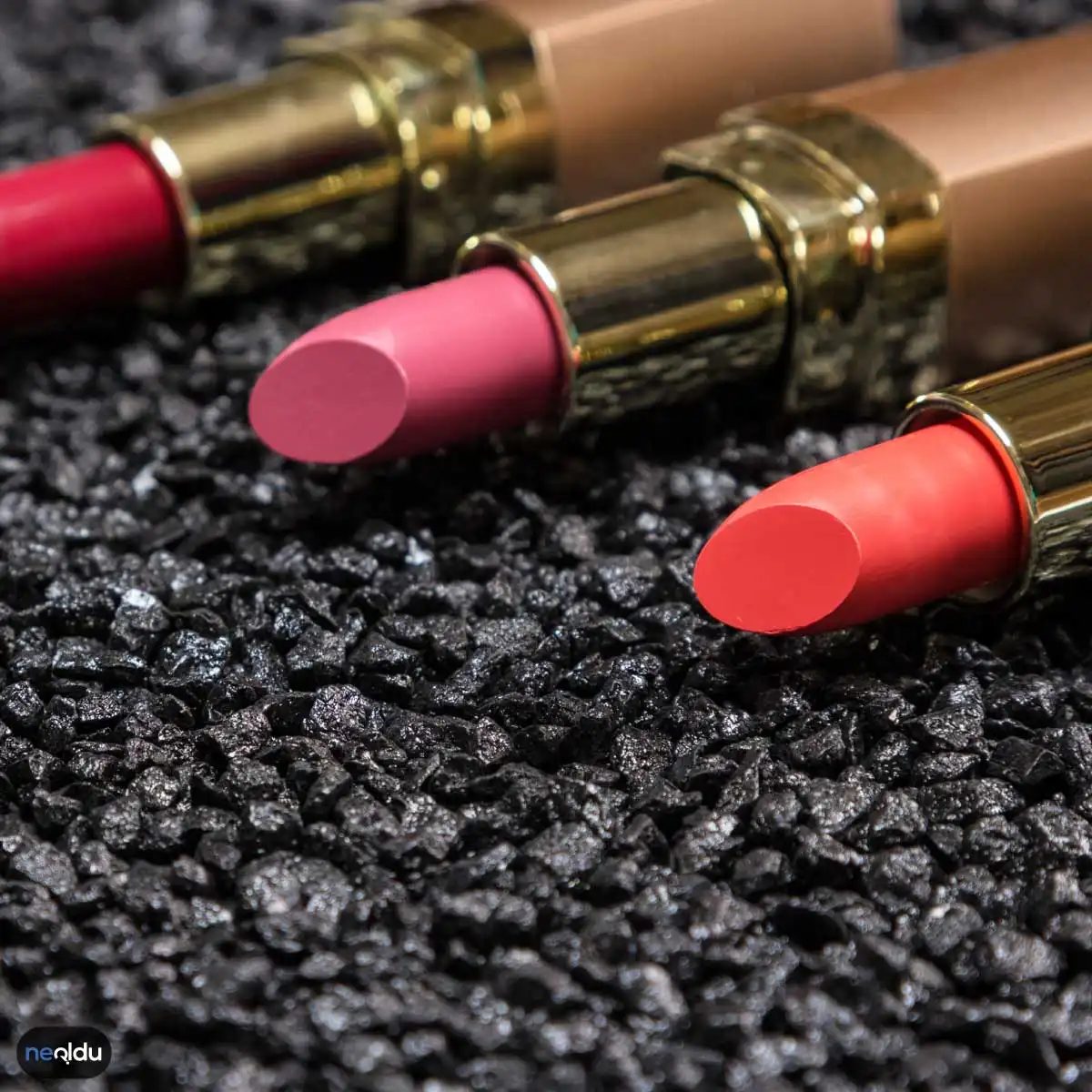
Güzelsepeti raflarında binlerce seçenek arasında kaybolmak kolay. Özellikle ruj gibi, yüzün en dikkat çekici noktasına uygulanan bir ürün için doğru formülü bulmak ciddi bir araştırma gerektirir. Sadece renk değil, tutarlılık, nem dengesi ve cilt tipine uygunluk devreye giriyor. Ruj türleri ve seçim kriterleri konusunda net bir bakış açısı edinin.
Mat Ruj: Kalıcılık ve Yoğunluk Arayanlar İçin
Mat rujlar, zero-parlaklık ilkesine bağlı kalanlar için idealdir. Formülleri yoğun pigment içerdığı için tek sürüşte bile derin bir renk tonu sağlar. Bu nedenle, özellikle doğal toprak tonlarından klasik kırmızılara kadar geniş bir yelpazede bulunur.
Bir diğer büyük avantajı kalıcılığıdır. Yeme içme sonrası bile rengini koruma eğilimindedirler. Ancak dezavantajları da yok değil. Kuru dudaklar için uygun değildir. Çatlaklara oturan mat formlar, dudaklardaki ince çizgileri daha belirgin hale getirebilir. Eğer nemli bir dudak yapınız varsa, önceden dudak balsamı kullanmak şarttır.
Parlak Ruj: Doğallık ve Nem Desteği
Tamamen karşıt kutupta duran parlak rujlar, ışığı yansıtan bir yüzeye sahiptir. Pigmentasyonları daha hafif olduğu için dudakların doğal dokusunu hissettirirler. Bu özellik, onları günlük kullanım ve ofis ortamları için vazgeçilmez kılar.
Pembe, şeftali ve nude tonları bu kategoride baskındır. Tek başlarına bile şık dururlar. Ancak kalıcılık konusunda mat kadar iddialı değillerdir. Yeme içme sonrası yenileme gerektirirler. Buna rağmen, dudakları nemli tutan formülleri sayesinde uzun süre konforlu bir deneyim sunarlar. Kırışıklıkları gizleme etkileri de vardır.
Metalik Ruj: Dikkat Çekmek İsteyenler İçin
Metalik rujlar, sıradan görünüşten sıkılanlar için bir çıkış noktasıdır. Yüzeylerinde ışıltılı bir bitiş bulunur. Bu ışıltı, mavi, mor veya altın gibi belirgin tonlarda olabilir. Yoğun pigmentasyonlu olmaları sayesinde, gün içinde bile fark edilebilir bir etki yaratır.
Genellikle özel günler veya gece outfitleri için tasarlanırlar. Gündüz kullanıldığında ağır kaçabilirler. Ancak doğru makyaj bütünlüğüyle harika sonuçlar verirler. Ten tonuyla uyumlu metalik renkler seçmek, görünümü profesyonel tutar.
Mat-Metalik Ruj: Modern Bir Hibrit
Mat ve metalik dünyalarının kesiştiği nokta burası. Yoğun pigmentasyonu, metalik bir parıltıyla birleştirir. Bu karışım, dudaklara hem derin
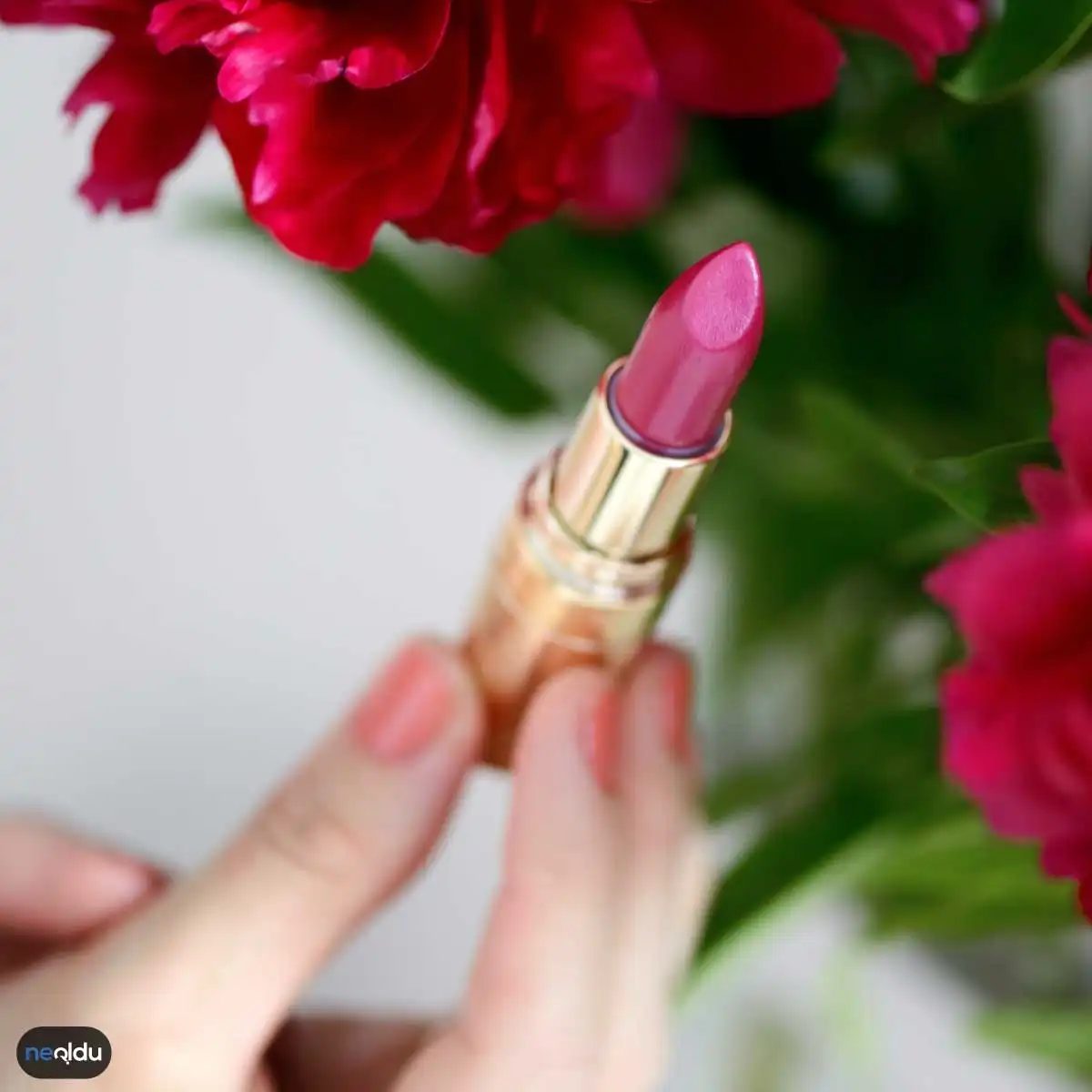
How to Pick the Right Lipstick for Your Skin Tone and Lip Type
Choosing a lipstick isn’t just about slapping on color. It’s the anchor of your makeup routine. But finding that perfect match? That is where most of us get stuck. You want a formula that lasts and a shade that actually makes you look awake, not washed out. Here is how to navigate the counter without wasting money.
Match Your Undertones
Stop guessing. Your skin has a temperature. If you lean cool, blue-based reds and pinks are your friends. They pop. If your skin is warm, look for orange-based reds or peaches. The goal is harmony. A wrong undertone can make you look sallow or sickly. A right one makes your teeth look whiter and your glow brighter.
Check Your Lip Health
Dry, cracked lips are the enemy of good lipstick. No shade can save a patchy application. If your lips are dehydrated, skip the matte. Go for something with hydration built in.
Got thin lips? You can cheat slightly. Plumping formulas create a temporary swelling effect. They add volume. Just be careful not to overdo it. The aim is enhancement, not distortion.
Define the Occasion
Your routine changes with the calendar. Daily wear? Stick to neutrals. Nudes, mauves, soft pinks. They require less maintenance. You can reapply quickly in the bathroom stall.
Special events? Go bold. Go daring. This is the time for deep berries or bright corals. And here is the kicker: longevity matters more for nightouts. You do not want to touch up every hour. Long-wear formulas exist for a reason. They survive dinner, drinks, and the after-party.
Pick Your Formula Wisely
The texture dictates the experience.
Matte lipsticks are the power players. They last longer but they can dry out your lips if you aren’t prepped. They demand exfoliation.
Glossy lipsticks are hydrating. They feel good. They look juicy. But they disappear faster. You will be eating and drinking, and the color will fade.
Liquid lipsticks offer a weirdly good mix. High pigmentation. Long wear. Often with moisturizing agents. They are a solid middle ground if you hate the feeling of dryness but want the staying power of matte.
Test Before You Buy
Never trust the box. The lighting in the store is deceptive. The lighting on your phone is worse.
Use the testers. Swipe it on your hand first, then on your lip. Watch it settle. Does it look orange? Does it look brown? It often changes color once it mixes with your natural oils. Pick the one that looks good after ten minutes, not the one that looks perfect at the moment of application.
How to Make Your Lipstick Last Longer
Let’s be real. Lipstick fades. It transfers. It disappears when you take a sip of coffee. You can mitigate this.
- Exfoliate first. Dead skin cells create a rough surface. The color grabs onto those flakes and looks patchy. A gentle scrub or a damp toothbrush works.
- Hydrate. Apply a balm. Let it sink in. Wipe off the excess. You want the moisture underneath, not a slippery layer
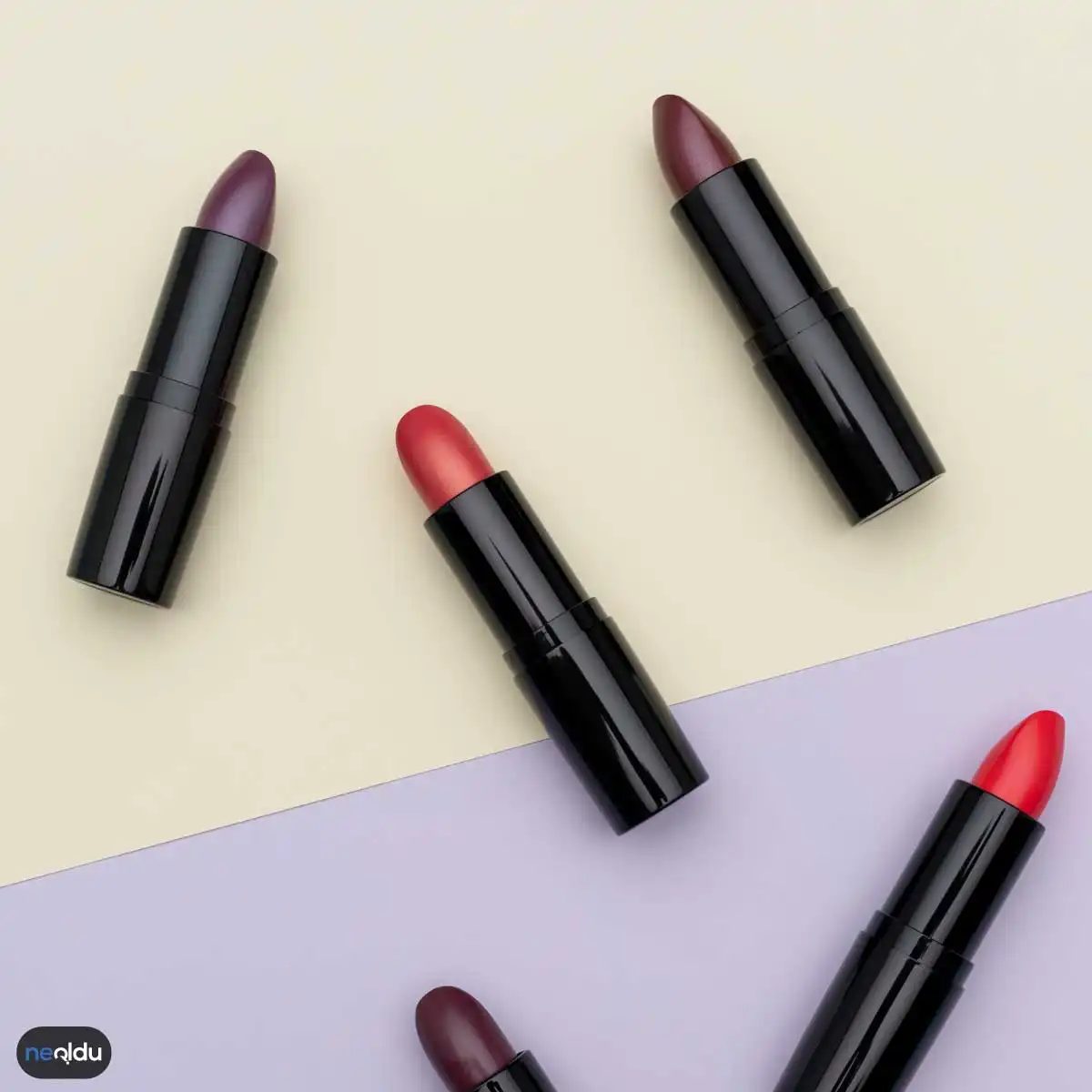
Prepping Is Non-Negotiable
You can’t build a long-lasting look on a foundation of dry, flaky skin. Before you even think about that lipstick, your lips need to be smooth and hydrated. I’m talking about actual exfoliation here, not just hoping for the best. A gentle lip scrub works, or you can use a soft toothbrush to buff away dead skin cells. It’s a small step that makes a massive difference in how color sits on your lips. Follow that up with a balm or moisturizer. You want them plump, not cracked. If your lips are chapped, your color will break up and fade within the hour. It’s basic chemistry, really. Smooth surfaces hold pigment better. Rough ones shed it.
The Lip Liner Lifesaver
Using a lip liner isn’t just about creating a sharp outline. It’s about creating a barrier. Think of it as the undercoat for your walls. It defines the shape and, more importantly, it stops your lipstick from migrating into the fine lines around your mouth. This is the “how” of keeping your look intact. You’re not just coloring your lips; you’re anchoring the color.
This tool also intensifies the shade. When you line your lips first, the lipstick sits on top of a base of the same hue. The result is a richer, more opaque finish that doesn’t need three coats to look good. Fewer coats often mean a more comfortable wear, but the liner provides the staying power. Choose a shade that matches your natural lip color or your lipstick exactly. Mismatched liners can look messy and draw attention to the very lines you’re trying to hide.
Layering: The Two-Coat Rule
Applying lipstick in layers isn’t just a habit; it’s a technique for longevity. Here is the method:
- Apply the first layer of lipstick.
- Blot gently with a tissue. You aren’t removing all the color, just the top oily layer.
- Apply a second thin layer.
This process traps the color between the layers. It creates a matte-like finish that holds up better against talking and slight friction. If you’re looking for matte lipstick longevity, this technique is your best friend. It mimics the staying power of a long-wear formula without the drying effect of cheap matte products.
The Translucent Powder Trick
You might think powder belongs only on your face, but a tiny bit on your lips works wonders. After applying your lipstick, hold a single-ply tissue over your lips. Lightly dust translucent powder over the tissue. The powder sets the color underneath without disturbing the application. It absorbs excess oils that cause lipstick to slide off throughout the day.
This method helps prevent smudging and fading. It’s a hack used by makeup artists for years. The key is to be light-handed. You don’t want a cakey layer of powder on your mouth. Just enough to set the stain. It adds a soft, blurred finish that looks natural yet enduring.
The Waiting Game
Once you’ve applied your color, wait. Give it a few minutes before you eat, drink, or even smile too broadly. This allows the formula to settle and bind to the skin. Rushing this step means you’re likely to transfer color onto your coffee cup or your partner’s cheek. Letting it sit ensures it dries down properly. If you’re wearing a liquid lipstick, this wait time is even more critical. These formulas need to cure.
Choosing the Right Shade and Formula
Not all lipsticks are created equal when it comes to staying power. Darker tones generally have higher pigment concentrations, which can mean better coverage and longevity. Lighter, sheer shades often contain more oils and less pigment, making them prone to fading quickly. If you want color that lasts, dark reds, deep berries, and bold corals are your safest bets.
The formula matters just as much. Matte lipsticks tend to last longer than glossy ones. Glosses are beautiful, but they slide. They also attract debris. Cream formulas offer a middle ground, providing hydration while still offering decent wear. If you have dry lips, avoid the ultra-matte, drying formulas. Opt for a satin or cream finish that includes emollients. You don’t need to sacrifice comfort for longevity, but you do need to pick the right product for your lip type.
Which lipstick lasts the longest?
Generally, long-wear liquid lipsticks and matte formulas offer the highest longevity. Traditional bullet lipsticks with creamy textures will need more frequent reapplication.
How to make your own lipstick?
Making lipstick at home involves mixing pigments, oils, and waxes. Pigments provide the color. Oils and waxes give it structure and glide. You heat the mixture, combine it thoroughly, pour it into molds, and let it cool. It’s a process that requires precision and the right ingredients to ensure safety and texture