Let’s talk about the souari nut.
It’s not a nut. Not really.
It’s a seed. A big, hard, kidney-shaped seed that grows inside the coconut-sized fruit of trees in the genus Caryocar. You’ll find these trees primarily in Panama and northern South America. Caryocar nuciferum is the most typical species. The fruit clusters heavily. Inside each one are four nuts.
The outer layer? Edible flesh. Sweet, fleshy, and ready to eat. But the real story is inside the shell.
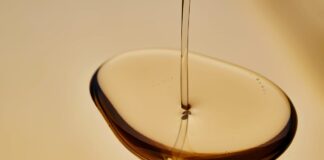
The shell itself is warty. Red. Hard as rock. Crack it open and you find the kernel. It’s rich. Flavorful. And it contains a fatty oil that people have been extracting for centuries. This oil isn’t just for show. It’s used in cooking. In traditional diets across the Amazon basin, it’s a staple fat source. Similar to how olive oil functions in the Mediterranean, souari nut oil provides essential calories and flavor.
Why does this matter to you? Maybe you’re curious about exotic culinary ingredients. Or perhaps you’re researching sustainable fats. The extraction process is manual. Labor-intensive. Which means the oil is often local. Hard to find in your average supermarket. But if you can get it, it’s a unique ingredient.
The trees themselves are interesting. About fifteen species exist within the Caryocaraceae family. They’re not common in temperate zones. You won’t see them in your backyard. They thrive in specific tropical climates. Their fruits are large. Heavy. They fall hard. Which is probably why the seeds are so well-protected.
So, when you hear “souari nut,” think of the Amazon. Think of hard shells. Think of rich oil. And remember: it’s technically a seed. But we call it a nut. Because it tastes like one.
Is it worth seeking out?
For flavor? Yes. For novelty? Maybe. For daily cooking? Probably not, unless you live nearby. But knowing it exists changes how you see the world’s ingredients. Not everything that looks like a nut is a nut. Some things are just tough on the outside with something valuable inside.