Curious about organic skin products? You aren’t alone. The push toward going green has taken the 21st century by storm, and suddenly “organic” and “natural” seem to apply to everything. From your morning coffee to your laundry detergent and yes, your face wash. In 2006 alone, manufacturers rolled out 2,000 new personal care products marketed as organic or natural. That is a lot of bottles on a shelf.
If you are thinking of switching to an organic skin cleanser, do your homework first. The market is crowded, confusing, and full of marketing fluff. Terms like “green,” “herbal,” “botanical,” and “eco-friendly” are thrown around loosely. They sound wholesome. They aren’t the same thing.
Decoding the Labels: Why ‘Natural’ Isn’t ‘Organic’
Let’s break down what these words actually mean before you spend your money.
- Eco-friendly: This claims the product and its production don’t harm the environment. It says nothing about what is in the bottle.
- Botanical: Uses plant-based ingredients.
- Herbal: Contains herbs.
- Natural: Might include plant ingredients or minerals. It is often free of preservatives. But “natural” does not mean “organic.”
Just because a product lacks manufactured chemicals or uses all-natural ingredients doesn’t make it organic. To be labeled organic skin cleanser by the U.S. government, it must mostly contain ingredients produced through specific farming practices. Other labels carry no such weight.
The USDA Certification You Need to See
The standards for creating an authentic organic product are rigid. An organic skin cleanser must be made from agricultural ingredients grown through farming. These ingredients must remain intact throughout production. Even as chemicals are added during mixing and manufacturing (because raw plant extracts aren’t always safe or stable in their natural form), the base must be organic.
Here is where it gets tricky. The U.S. Food and Drug Administration (FDA), which regulates many personal care products, currently has no standards for labeling items as natural or organic. The U.S. Department of Agriculture (USDA) has created standards for agricultural products, and they can be used on personal care items too. But you have to look for the seal.
If your product wants to claim it is organic, it needs to meet one of these USDA tiers:
- 100 Percent Organic: Contains only organic ingredients.
- Organic: Must consist of at least 95 percent organic ingredients. The remaining 5 percent can be non-organic chemicals or ingredients not available organically.
- Made with Organic Ingredients: Must be at least 70 percent organic.
If you want to buy products made from organic ingredients, look for the USDA certification seal. This is the only sure-fire way to tell if your product is truly organic. It means its ingredients, mixing, manufacturing, and labeling meet USDA standards.
The USDA only began certifying personal care products like skin cleansers in 2005. So far, not many skin cleansers meet these requirements. However, any company can still market its product as organic without using the seal or applying for certification. Don’t take their word for it. Check for the seal.
The Petrolatum Trap
Here is a warning for anyone reading labels closely. If your skin cleanser contains petrolatum and is labeled organic, take caution.
Some manufacturers claim petrolatum is an organic ingredient because it contains hydrocarbons, which are organic compounds in chemistry terms. But petrolatum is a byproduct of crude oil production. It would not be considered organic according to the definition of being produced through organic farming.
Even synthetic-free products may contain petroleum-based ingredients. Read the ingredients list to know for sure whether your skin cleanser contains petroleum. If you want to avoid crude oil derivatives, check that label carefully.
“If your skin cleanser meets these requirements and has gone through the certification process, its label will contain a USDA certification seal. This is the only sure-fire way to tell whether your product is truly organic.”
Why This Matters for Your Skin
We spend a lot of time talking about what goes into our bodies. We read labels on food. We check ingredients in our shampoo. Yet, our daily cleanser—the first thing we put on our face and the last thing we rinse off—often goes unexamined.
The chemistry of organic skin cleansing products isn’t just about purity. It’s about consistency. When you buy an organic skin cleanser with a USDA seal, you know what you are getting. You know the farming practices. You know the processing standards. You don’t have to guess.
If you’d rather bathe your face in lemongrass and eucalyptus than in chemicals, there might just be an organic skin cleanser for you. But you have to know how to find it. The next step is understanding what types of organic cleansers exist and which one fits your skin type.
There is a lot to consider. Your skin is an ecosystem. Treat it like one.
Beyond the Bottle: Types of Organic Skin Cleansers
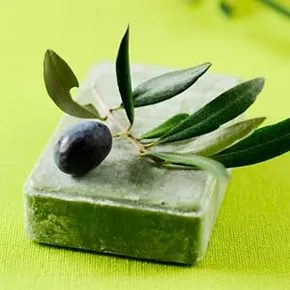
Walk down the skincare aisle and the options are dizzying. Gels, foams, peels. But organic skin cleansers offer just as many textures if you know where to look. There are bars of soap, sure. Or soap-free liquid cleansers that feel lighter on the skin. Cleansing gels and milks are also on the table. If you need to tackle dead skin cells, an organic peel or an exfoliating scrub might be your move. Face masks work too.
The form isn’t the only thing that matters. Ingredients dictate how these products interact with your face. Some ingredients might be more helpful or better suited to your skin type than others.
Reading Labels for Specific Skin Needs
Organic skin cleansers may contain ingredients such as sugars, tree bark, plant oils, honey, leaf extracts, fruit juices, vitamins and minerals. It’s a botanical buffet.
If you want your skin to retain its moisture after cleansing, look for a product that contains honey . It’s a natural humectant. Or maybe you want to soothe sensitive skin while cleansing; if so, you could go for a cleansing milk made with rose or lavender. Any number of ingredients might be available to you, from lemongrass and green tea to eucalyptus, aloe vera and blueberry seeds .
These aren’t just buzzwords. They are functional components. Honey locks in hydration. Rose calms redness. Aloe heals.
DIY Risks and Environmental Ethics
If you haven’t found a formula you like, or if you enjoy do-it-yourself projects, you might try making your own skin cleanser at home. A simple Internet search will return a large number of homemade recipes for organic skin cleansers. But be careful when testing such recipes at home, since they could cause irritation or an allergic reaction.
Preservatives are hard to replicate in a kitchen sink. Without them, your homemade batch is a petri dish waiting to happen.
Now that you know what options are available, it’s time to decide whether an organic skin cleanser might be right for you. Up next, find out what makes organic products appealing and what might make organic skin cleansers just another scam.
Save the Animals and the Environment
Animal testing is not a requirement of organic production. To find out whether your skin cleanser has been tested on animals, check the product’s Web site or look for a notice about animal testing on the product label. If you’d like a product that is eco-friendly, do some research on the company that’s manufacturing it .
Cruelty-free labels are a good start. But look deeper. Does the packaging use recycled materials? Is the supply chain transparent?
Pros and Cons of Organic Skin Cleansing Products
Certainly organic skin cleansers may sound as though they’re healthy. But will they really work? If your organic skin cleanser comes with the USDA certification seal, you can rest assured that most of its ingredients came from organically-produced agricultural resources. If you’re looking for products that don’t include chemical ingredients, organic products may be a good alternative. Since organic cleansers are made from agricultural products such as plants, they may also include vitamins and nutrients that will benefit your skin.
The USDA seal is your anchor. It means something. It means verified standards.
On the flip side, some organic products may not work as well as chemical-based products, and there’s no published evidence that products made from plants are healthier or safer for your body . Also, products with agricultural ingredients that aren’t made with preservatives might not last as long, because they can have a higher risk of growing bacteria once opened. And, as with cleansers that contain chemicals, organic cleansers can also cause allergic reactions.
Natural doesn’t mean safe. It just means different.
If you decide the cons outweigh the pros and you’re no longer thinking organic, you may still be thinking about finding a chemical-free cleanser. If that’s the case, look for the skin cleanser with the fewest ingredients, and avoid potentially harmful chemicals, fragrances and preservatives .
Less is often more. A five-ingredient list is easier to troubleshoot than a fifty-ingredient glossary.
But if you do decide that going green is right for you, make sure to look for a USDA certification seal. Other certifications exist, but not all certifying bodies use the same list of criteria; stick to the USDA seal to ensure your skin cleanser is truly organic . If you can’t find a skin cleanser with the USDA seal, but you still want to buy a product with plant-based ingredients, look for such ingredients on the product label along with waxes, herbs and other extracts.
Sensitive Skin, Beware
If you have sensitive skin or a specific condition, such as rosacea, you should be extra careful when using organic skin cleansers. Some organic ingredients in cleansers can irritate the skin or cause allergic reactions . Just because the ingredients came from the ground doesn’t mean they are all good for you. Always test skin care products on a small part of your skin before using them all over an area of your body. A physician can recommend skin cleansers, organic or otherwise, that will work for your skin type.
Patch testing is non-negotiable for sensitive skin. Apply a dime-sized amount behind your ear or on your inner forearm. Wait 24 hours. If nothing burns or turns red, you might be clear to use it on your face.
If you have rosacea, the line between “natural” and “safe” is blurry. Citrus extracts can be photosensitizing. Essential oils can trigger flare-ups. A dermatologist knows which botanicals play nice with reactive skin. They know which ones will set your complexion on fire.
Don’t guess. Test. Then decide.
Navigating the Natural Label
The term “natural” gets thrown around so loosely in the beauty aisle it barely means anything anymore. You will see it on everything from lipsticks to lotions. It is a marketing strategy, plain and simple. The U.S. Department of Agriculture sets strict rules for organic food. Those same strict rules do not apply to your face cream. There is no federal certification for “organic” in the personal care world. So when you buy a product labeled organic, you are trusting the brand. You are hoping they followed the guidelines set by private organizations. Some of those guidelines are rigorous. Others are not.
This lack of standardization is why so many women feel confused. You want clean beauty. You want to avoid harsh chemicals. But the shelf is full of vague promises. The American Academy of Dermatology notes that “natural” does not automatically mean safer. Some natural ingredients can cause severe allergic reactions. Sensitive skin needs gentle formulas. Not every “eco-friendly” option is gentle. You have to read the ingredients. You have to look past the green packaging.
The Reality of Organic Skincare
If you are looking for how to choose organic skincare that actually works, start with the certification seal. Look for the USDA Organic seal. This is rare in cosmetics. It is more common in food. When you see it, you know the product meets specific agricultural standards. Most brands use “natural” loosely. They might include one organic ingredient and call the whole line green. That is not enough. You need to check the percentage. Some laws require 95% organic content for the highest tier of certification. Others allow as little as 70%. Know the difference. It changes what you are putting on your skin.
“Organic” in cosmetics is not regulated by the FDA. You are buying on faith and label reading.
Debunking the Myths
There is a lot of fear-mongering in this industry. You hear that sodium lauryl sulfate is killing you. You hear that daily showers are destroying your skin barrier. The American Academy of Dermatology dispels many of these myths. Sulfates can be harsh for some. For others, they are perfectly safe. It depends on your skin type. Rosacea sufferers often find relief with specific natural therapies. But “all natural” is not a cure-all. In fact, some natural essential oils can trigger rosacea flare-ups. You cannot assume purity equals peace for your skin.
The confusion extends to simple ingredients. Is the organic chemistry in your moisturizer really different from the synthetic version? Often, the molecular structure is identical. Your skin does not care if a molecule came from a plant or a lab. It cares about how it interacts with your skin barrier. Zoe Diana Draelos and Lauren A. Thaman point out in their work on cosmetic formulation that stability and delivery matter more than origin. A stable synthetic preservative might be safer than an unstable natural one that grows mold.
What to Look for in Practice
So where do you start? Stop buying based on the word “natural.” Start buying based on your skin’s needs. If you have sensitive skin, look for fragrance-free options. Fragrance is a top irritant. It does not matter if it is derived from lavender or created in a factory. It can still burn. If you have dry skin, look for ceramides. These can be natural or synthetic. Both work. Focus on the function.
- Check the ingredient list. Shorter is often better.
- Look for certifications. USDA Organic or COSMOS are reliable standards.
- Patch test everything. New products can cause reactions even if they are “safe.”
- Ignore the marketing. Green bottles do not equal green ingredients.
The beauty industry thrives on your uncertainty. It sells you the idea that you need more products to fix problems created by too many products. You don’t. You need simple, effective routines. You need to know what works for your skin, not what trends on TikTok. The sources from the USDA and dermatological associations are clear. Regulation is thin. Responsibility is yours. Read the label. Trust your skin.