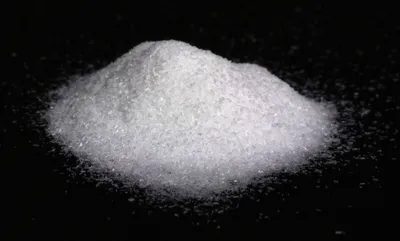
It starts as white crystals. To some, it’s a villain. To chefs who actually cook, it’s just chemistry. Monosodium glutamate (MSG) is the sodium salt of glutamic acid. You already have it in your fridge. It is in Parmesan cheese. It is in tomatoes. It is in the broth simmering on your stove.
The confusion around this ingredient is loud. The reality is quiet and practical. MSG intensifies natural flavor. It does not change the food’s texture or nutritional profile. It simply makes savory notes pop. This is why it is a staple in Chinese and Japanese kitchens. It is why you see it in canned soups and frozen vegetables. It is in gravies. It is in spice blends.
The History of Umami
In 1908, Japanese chemist Ikeda Kikunae figured this out. He was studying seaweed stock. He noticed a taste that did not fit the standard categories. It was not sweet. Not sour. Not bitter. Not salty.
He called it umami.
Ikeda isolated the substance causing this taste. He found it was glutamate. This discovery changed how we think about taste. It proved there is a fifth basic taste. It explains why meat tastes better than meat powder. It explains why seafood has depth. MSG mimics that natural umami sensation. It enhances the complex flavors of poultry and vegetables.
How MSG Is Made Today
The early commercial production used seaweed. That was inefficient. Today, we use fermentation. Bacteria do the heavy lifting. They consume starch or molasses. They use ammonium salts for nitrogen. The result is pure MSG.
This process is clean. It is scalable. It is safe. The substance is also used in tobacco products. Historically, it treated hepatic coma. But in your kitchen, its only job is to make food taste more like itself.
Why Your Food Needs More Umami
You might think salt is enough. Salt highlights salinity. Umami highlights richness. They work together. But umami brings a rounded, savory quality. It smooths out sharp edges. It makes a tomato sauce taste deeper. It makes a chicken broth taste more substantial.
Consider the difference between a bland soup and a rich one. The rich version likely has glutamates. They come from tomatoes. They come from cheese. They come from MSG if added. The effect is subtle. It is not overpowering. It is background support.
This is not about masking bad ingredients. It is about boosting good ones. A pinch of MSG in stir-fry does not make it taste chemical. It makes it taste like a restaurant dish. It enhances the natural flavor of certain foods. That is the entire point.
Practical Uses
You can buy it in the Asian food aisle. It looks like sugar. It dissolves easily. Add it to broths. Add it to sauces. Add it to meats. Use it in combinations. It works in canned and frozen vegetables. It works in spice blends.
Some people fear it. They call it “Chinese Restaurant Syndrome.” The science does not support that link. Most people tolerate it well. Your body processes glutamate naturally. It is an amino acid. It is in your blood. It is in your brain.
The goal
The Truth About MSG and “Chinese Restaurant Syndrome”
You have probably heard the warnings. The idea is that eating too much MSG triggers a specific set of physical reactions. Some people describe a burning sensation. Others feel pressure or tightness in the face. A tingling in the neck or chest is also part of the story.
This cluster of symptoms has a name. It is technically called the MSG symptom complex. People often refer to it by an older, more informal label: Chinese restaurant syndrome. The name stuck because some chefs in Chinese restaurants were known for using MSG generously. The concern dates back to 1968 when these reactions were first reported.
But here is the reality check.
Subsequent studies have shown no conclusive link between the syndrome and the consumption of normal levels of MSG.
Science has moved on since those initial reports. Researchers looked at the data. They looked at the people. They looked at the food. The result was clear. There is no solid evidence connecting typical MSG consumption to these symptoms.
If you are worried about how MSG affects you, the key is context. The reactions reported in the past often involved large amounts. Most meals do not contain that much. Your body handles moderate amounts just fine.
So, should you avoid it? Probably not. The fear is largely outdated. Enjoy your meal. The burning sensation you feel might just be the spice, not the MSG.